I wasn’t going to make it.
A thousand hooves pounded in my chest. My stomach churned.
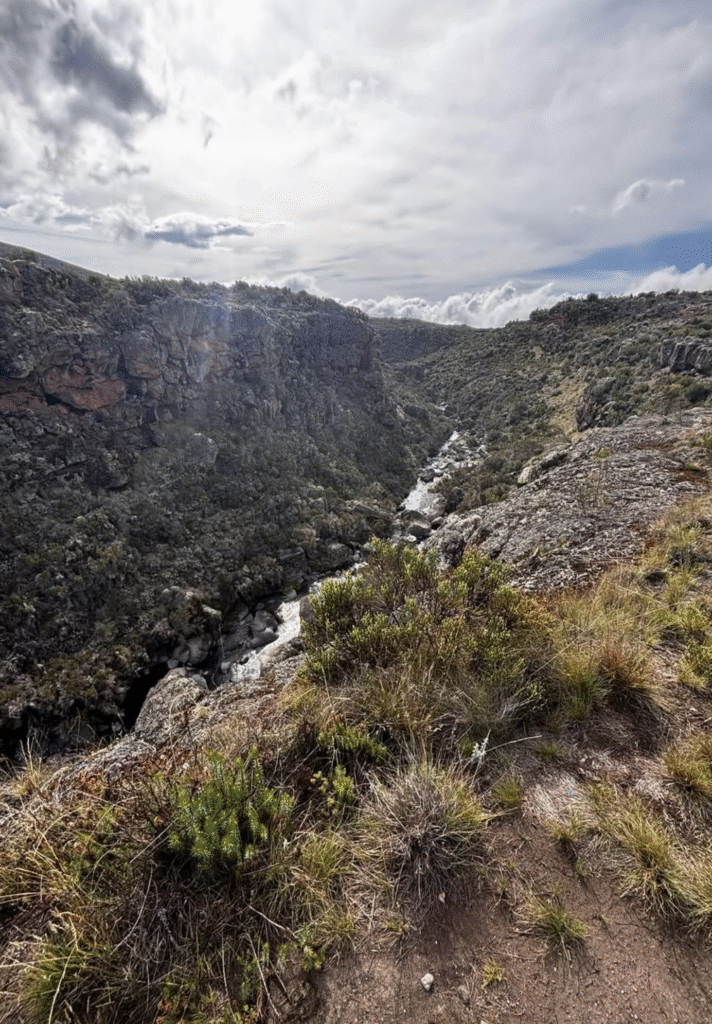
The view of clouds and rolling peaks was spectacular but I felt like throwing up into it.
“I’m not going to make it.”
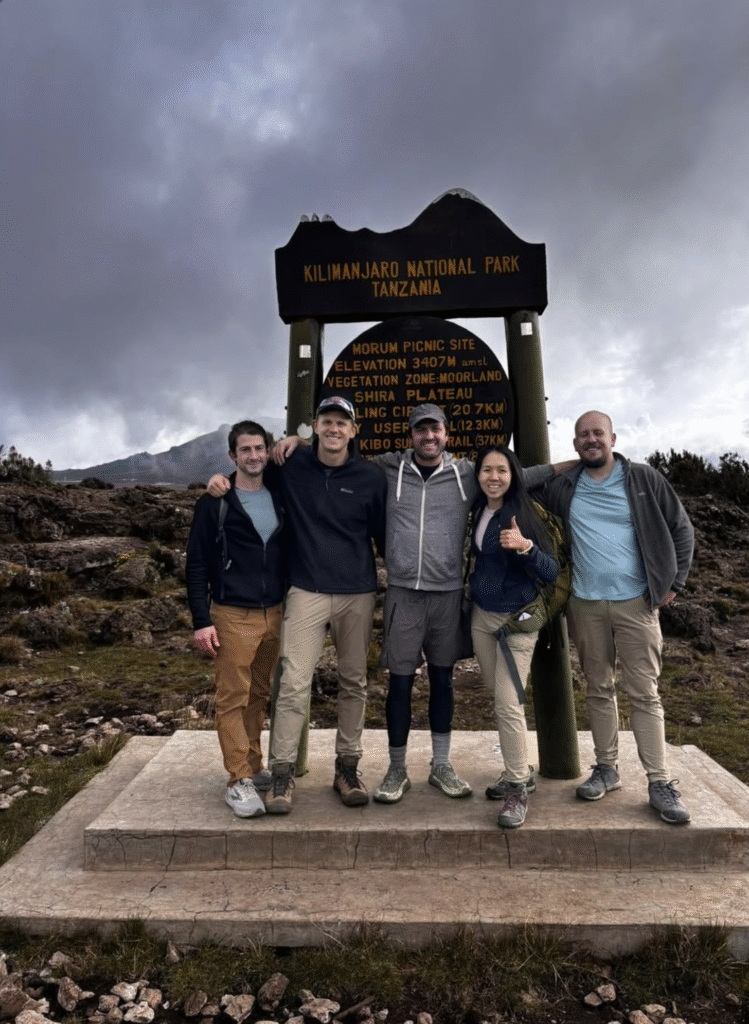
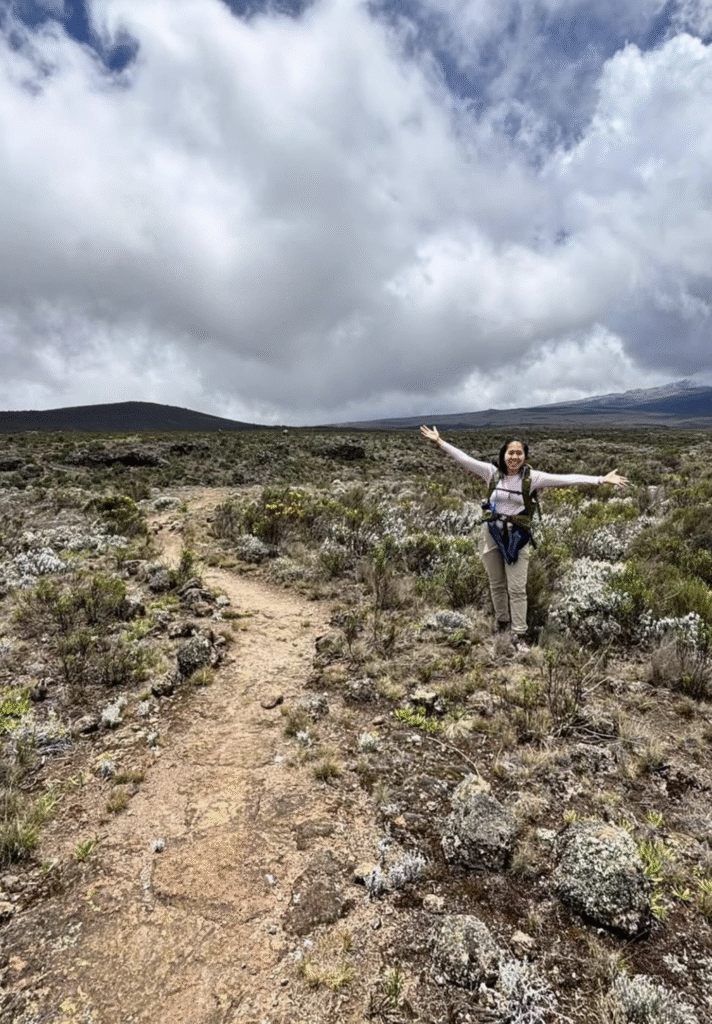
Getting to base camp of Mount Kilimanjaro—Africa’s tallest mountain— wasn’t even a summit attempt. This was just a day hike I’d joined a group of stranger-turned-friends on, who all happened to be fitness buffs.
Was I weak?
“This has nothing to do with fitness,” my friend shared kindly. “Altitude sickness is the ultimate equaliser. My head feels like bursting, too.”
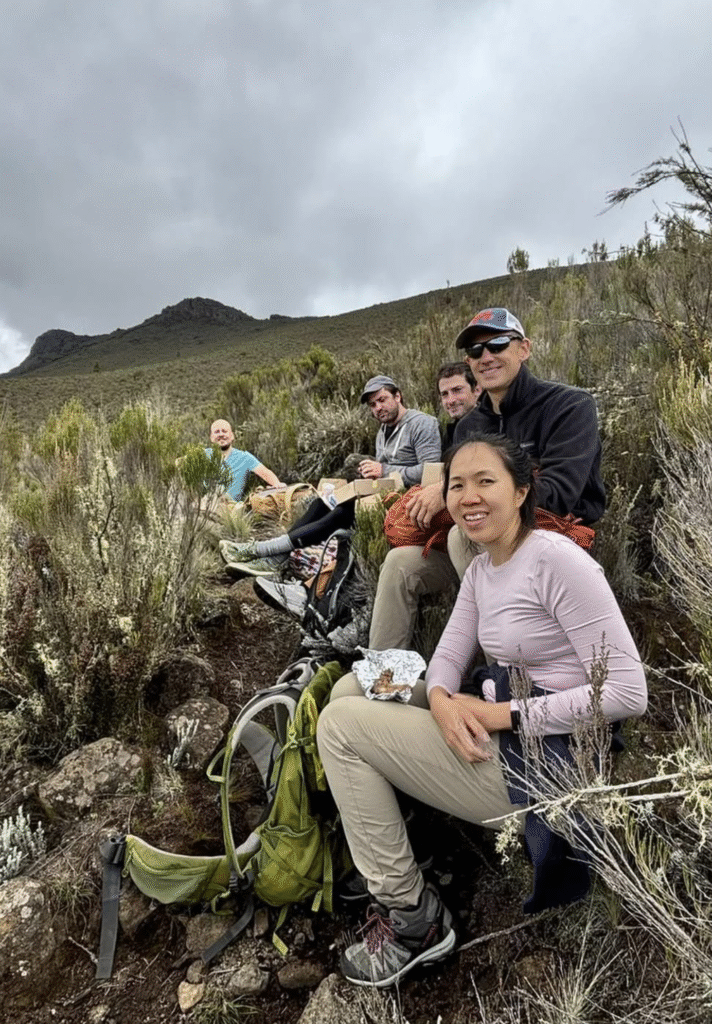
When I couldn’t take another step, my friends from America and Russia simply said, “Isn’t this perfect for a picnic.”
Right there, before breathtaking mountain ranges, we sat on the scrubby ground, laughing, eating — like this was exactly where we were meant to be.
“I feel better, let’s go,” I mustered.
But it was too late.
“If we go on, we won’t make it back in time. Let’s descend.”
My face flushed.
Had I just caused us to miss reaching the top of the ridge?
“We’re only ten minutes away. The view’s the same! No biggie!” they laughed, brushing it off.
But as I trudged back, a familiar wave filled my body—
disappointment, shame, and that familiar voice—
“You’re such a loser.”
“You know we made it, right? We exceeded base camp. This extra stretch is usually done on Day 2 of a 7-day expedition. So you didn’t fail anyone. We were just trying to see how far we could go, ha.”
I paused.
If only I’d known how far we’d already come—3,500m in altitude in half a day.
Yet, 10 minutes short of a ridge,
I had decided I was a failure—
when in reality, we’d exceeded our goal
and gained so much more.
Perhaps so many of us find ourselves stuck in shame because it’s easier to call ourselves a failure than to go all out and risk finding out we’re not.
Because maybe the problem isn’t that
we’re falling short—
it’s we don’t recognise how far we’ve come.
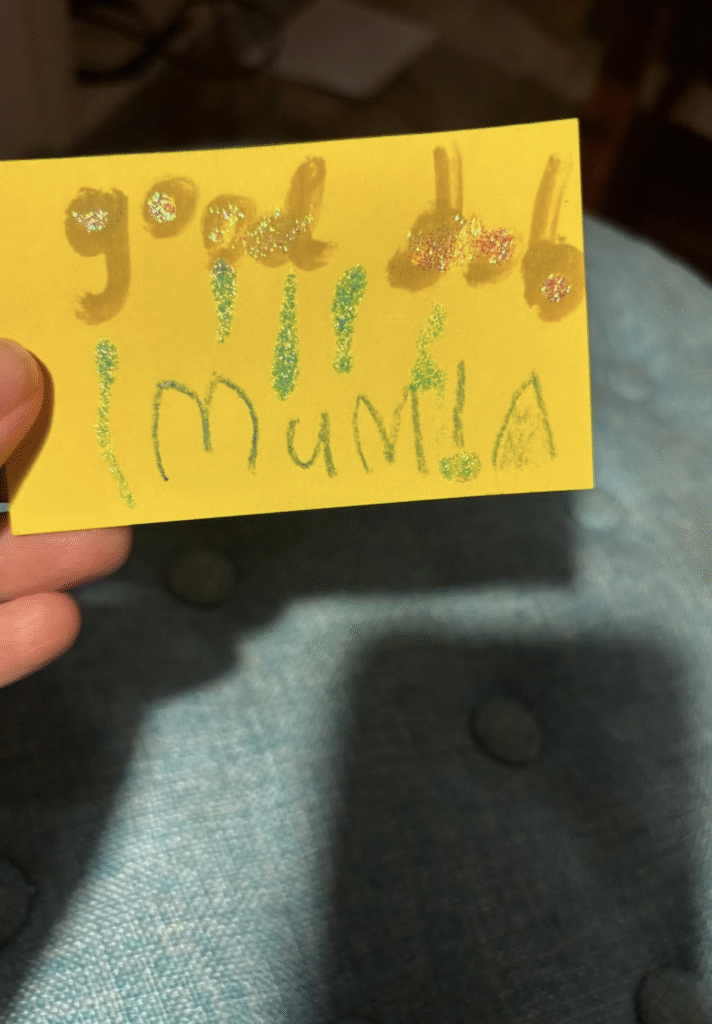
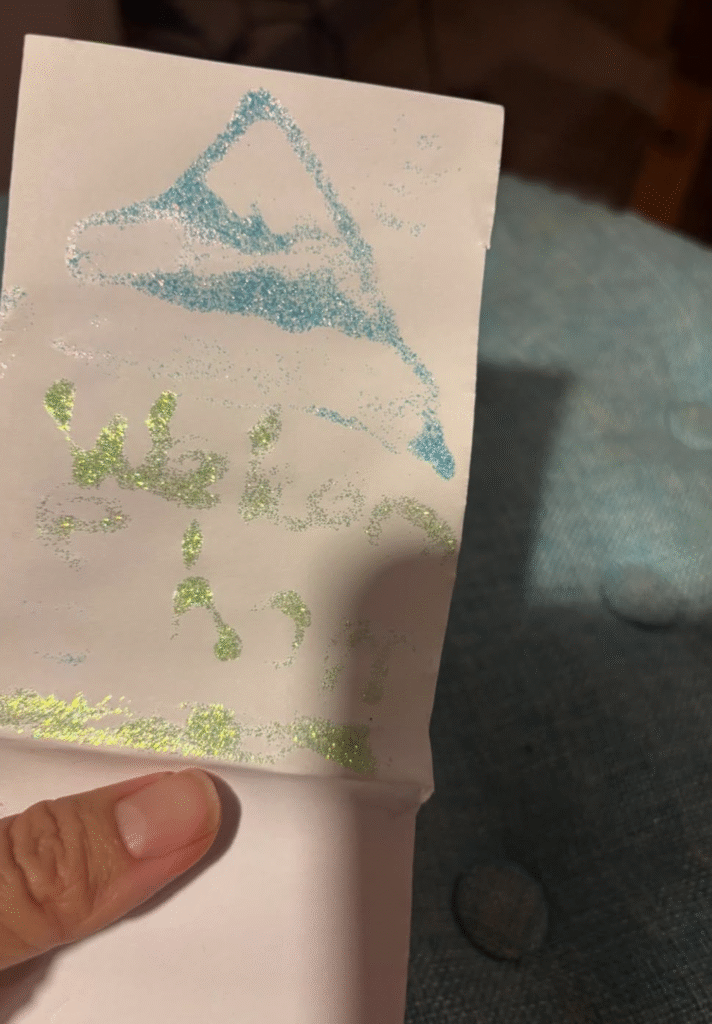
I came home to notes from my girls—
proud of me for all my effort.
Perhaps, the real climb
is learning to see ourselves with their eyes—
kinder ones.